Finsbury Park N4 oven cleaning experts local reviews
Posted on 09/06/2026

Finsbury Park N4 oven cleaning experts local reviews: how to choose a service you can trust
If you have been searching for Finsbury Park N4 oven cleaning experts local reviews, you are probably after something very specific: a local service that actually turns up, does the job properly, and leaves your oven looking like it belongs in a real kitchen again. Fair enough. Oven cleaning sounds simple until you are staring at baked-on grease, stubborn carbon around the door, and shelves that seem to have fused with the oven itself.
This guide breaks the topic down in a practical, no-nonsense way. You will see what local reviews really tell you, how professional oven cleaning usually works, what to expect from a good cleaner in N4, and the common mistakes that catch people out. We will also look at when oven cleaning makes the most sense, how to compare options, and how to judge value without getting pulled in by glossy promises. A small heads-up: not every five-star review means the same thing, and not every "cheap" clean is a bargain. Let's get into it.
Why Finsbury Park N4 oven cleaning experts local reviews Matters
Reviews matter because oven cleaning is one of those services where the result is hard to fake. You can tell very quickly whether the racks were properly degreased, whether the glass was polished, and whether the inside still smells faintly burnt after the cleaner leaves. In a busy area like Finsbury Park N4, where people juggle flats, family homes, shared houses, and rental move-outs, local reviews help you separate reliable specialists from people who only look professional on the surface.
There is also a local angle that matters more than most people realise. A cleaner who regularly works in Finsbury Park will usually understand the type of ovens common in London homes, the practical access issues in converted flats, and the timing pressures that come with end-of-tenancy schedules or weekend turnarounds. That kind of local familiarity is often what you are paying for, even if it is not printed on the invoice.
To be fair, reviews are not perfect. One person may be thrilled because the oven "looks new," while another complains because the cleaner did not remove a mark that turned out to be permanent enamel damage. That is why you should read reviews for patterns, not just stars. Look for repeat mentions of punctuality, attention to detail, communication, and whether the cleaner managed expectations properly.
If you are comparing multiple household services in the area, it can help to think about the bigger cleaning picture too. Many people who book oven cleaning also book broader support such as domestic cleaning in Finsbury Park or end of tenancy cleaning in Finsbury Park, especially when a property needs to be reset rather than just refreshed.
Expert summary: local reviews are most useful when they confirm consistency. One good review is nice. Five detailed reviews that mention the same strengths? That starts to mean something.
How Finsbury Park N4 oven cleaning experts local reviews Works
Professional oven cleaning is usually a deep-cleaning process rather than a quick wipe-down. The cleaner will inspect the appliance, identify removable parts, protect nearby surfaces, and then use specialist products and tools to break down grease, baked-on food, and carbon deposits. Depending on the service, that may include soaking racks, cleaning the fan area if accessible, removing the door panels where safe, and polishing the glass and seals.
Most reputable experts work methodically. They do not just spray and hope. A proper clean usually follows a sequence: assess, dismantle where appropriate, soak, degrease, scrub, rinse, dry, and reassemble. That sequence matters because oven grime builds in layers. If you attack the top layer without loosening what sits underneath, you end up doing the same work twice. Nobody needs that on a Thursday afternoon.
Local reviews can give you clues about how this process is handled in real life. For example, reviewers may mention whether the cleaner arrived with enough equipment, whether drop cloths were used, whether the kitchen was left tidy, and whether the final result matched the original description. These are tiny details, but they say a lot.
In practical terms, a good review profile often reveals the cleaner's workflow. Do they explain how long the job will take? Do they mention which ovens they specialise in, such as standard single ovens, range cookers, or combination units? Do they set expectations around stains that may improve but not disappear completely? Those details show experience, and experience is what you want.
If you are also interested in how local households think about service quality more broadly, the site's about us and services overview pages can help frame the kind of standards customers usually expect from a reputable local provider.
Key Benefits and Practical Advantages
A professional oven clean is not only about appearance, although let's be honest, that shiny oven window is satisfying. There are several practical advantages that matter in everyday use.
- Better cooking performance: heavy grease and burnt residue can affect heat distribution and airflow.
- Less smoke and smell: built-up grime often burns during cooking and creates that unpleasant lingering odour.
- More usable time: a proper specialist clean saves you hours of scrubbing.
- Improved hygiene: old residue around trays, racks, and seals is not something you want sitting near food.
- Longer appliance life: regular maintenance can help reduce unnecessary wear.
- Stronger property presentation: especially helpful before a tenancy inspection or sale viewing.
The local review angle adds another layer of value. When you read real feedback from people in Finsbury Park N4, you get a better sense of whether the business actually delivers these outcomes. A few polished marketing claims are easy. Consistent results across different households are harder.
There is also a practical money-saving angle. A cleaner that is careful with seals, fan covers, and delicate parts may reduce the chance of accidental damage. And if a company explains pricing clearly in advance, you are less likely to face awkward surprises later. If you want to compare expectations before booking, their pricing and quotes information is the sort of thing worth checking early, not after the work has been done.
One more small but important benefit: a professional clean often makes it easier to keep the oven cleaner for longer. Once the heavy stuff is gone, your regular maintenance becomes much more manageable. That is the bit people forget. The first clean is the hard one. After that, life gets easier.
Who This Is For and When It Makes Sense
Not everyone needs an oven cleaning expert tomorrow morning. But there are some situations where booking one makes a lot of sense.
This service is especially useful if you are:
- moving out of a rented property and want the kitchen to pass inspection;
- moving into a new place and want a fresh start;
- hosting family, a dinner party, or a holiday get-together;
- dealing with a cooker that smokes every time it is turned on;
- short on time and tired of wrestling with stubborn grease;
- managing a busy household where the oven gets heavy daily use;
- looking after a property that needs a reliable, presentable finish.
Some people book oven cleaning as part of a broader home refresh. That is common in Finsbury Park, where flats and family homes can build up a surprising amount of kitchen wear in a short space of time. You may also pair it with house cleaning in Finsbury Park or even upholstery cleaning in Finsbury Park if you are getting a whole property back into shape.
When does it stop being worth doing yourself? Usually when the oven has multiple layers of burnt residue, the door glass is streaked beyond what normal spray cleaner can fix, or you simply know you will spend the entire day on it and still feel annoyed. Truth be told, that is where the expert earns their keep.
Step-by-Step Guidance
If you are trying to choose a local oven cleaner based on reviews, this simple process keeps you grounded. No drama, no guesswork.
- Define the job. Is it a standard oven, a double oven, a range cooker, or an appliance that needs extra care?
- Read recent reviews. Focus on comments from the last few months if possible, and look for consistency.
- Check what people mention. Do reviews talk about punctuality, tidiness, communication, and the final finish?
- Look for evidence of experience. Mention of tricky ovens, move-out cleans, or stubborn grease usually signals real-world work.
- Ask what is included. Racks, trays, doors, seals, fans, and external surfaces may be treated differently by different providers.
- Clarify the condition of the oven. A cleaner can often restore a very dirty oven, but some stains, discolouration, or enamel wear may remain.
- Confirm access and timing. In London homes, stairs, parking, and entry windows can affect the appointment more than you think.
- Check policies. If the company has clear terms, insurance information, and a complaints process, that is a good sign of maturity.
That last point is important. Good businesses are not just good at cleaning; they are good at handling the human side too. Clear expectations, respectful communication, and proper follow-up matter. If anything goes wrong, it helps to know there is a sensible complaints procedure in place rather than a vague promise shouted into the void.
And if you are the type of person who likes to understand how a service is run behind the scenes, pages like insurance and safety and payment and security can provide reassuring context. Not glamorous, I know. Still useful.
Expert Tips for Better Results
Here is where local experience starts to matter. Small decisions make a visible difference.
1. Be specific about your oven model
Some ovens need more careful handling than others. If you have a fan-assisted model, a range cooker, or glass elements that scratch easily, say so upfront. Reviews that mention "they knew exactly what they were doing" often reflect that kind of attention.
2. Don't wait until the oven is beyond help
The longer grime sits, the more stubborn it becomes. That does not mean every oven needs weekly attention from a professional, but if smoke, smell, and build-up are becoming normal, it is probably time.
3. Read for tone, not just numbers
A review that says, "arrived on time, explained the process, left the kitchen spotless, and didn't rush" is more valuable than a short "great job." You want detail. Specific detail.
4. Ask about protective measures
A careful cleaner should protect floors, nearby worktops, and delicate finishes. It sounds basic, but you would be surprised how often this is overlooked.
5. Make the kitchen ready
Move away loose items, clear the area around the oven, and make access simple. A cleaner can do more in less time if they are not spending half the visit shifting your roasting tins and that mysterious drawer of cables.
If you are browsing broader local guidance as part of your decision, the company blog can also be useful. Articles such as local experiences life in Finsbury Park and embracing the charming vibe of Finsbury Park London give a bit of local feel, which can help you judge whether a business really understands the area it serves.
Common Mistakes to Avoid
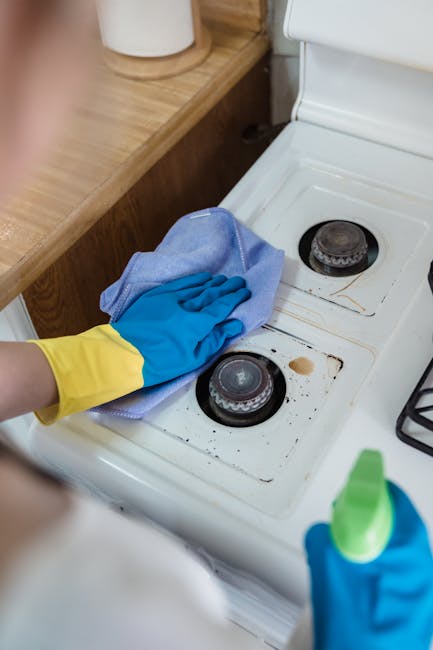
Most problems with oven cleaning happen before the cleaner even arrives. That sounds dramatic, but it's true.
- Choosing only by the lowest price: cheap can be fine, but too cheap sometimes means rushed work or hidden extras.
- Ignoring review patterns: one glowing review does not outweigh ten mixed ones about the same issue.
- Assuming all ovens can be restored perfectly: some staining is permanent or only partially removable.
- Not clarifying what is included: racks, trays, glass, and fan areas may not all be treated the same way.
- Leaving the oven in a difficult state: if there is loose debris or a lot of clutter nearby, the work becomes less efficient.
- Overlooking access issues: parking, building entry, and time slots can all affect the experience.
A common one in Finsbury Park N4 is booking late for a move-out clean and then realising the oven needs more work than expected. That is when stress kicks in. If you know a tenancy handover is coming, it is usually smarter to schedule the clean early enough to fix anything unexpected.
Another mistake? Forgetting that customer service is part of the job. A cleaner can do excellent technical work and still leave you feeling uneasy if communication is patchy. Reviews often expose that side of things. Listen to them.
Tools, Resources and Recommendations
Good oven cleaning relies on a mix of equipment, technique, and judgement. The exact toolkit varies, but these are common signs of a well-prepared expert:
- specialist degreasers suited to kitchen residues;
- scrapers used carefully on stubborn deposits;
- microfibre cloths for a lint-free finish;
- protective coverings for floors and nearby surfaces;
- non-abrasive pads for delicate areas;
- soaking solutions for racks and trays;
- safe handling methods for removable panels and hot components.
From the customer side, you do not need much. A clear space, access to water and power if required, and a realistic sense of the oven's condition are usually enough. If you are comparing providers, it can also help to review how they present their wider cleaning capability. For example, some households prefer a provider that can combine oven work with carpet cleaning in Finsbury Park or wider household maintenance, simply because it makes life easier to manage one visit rather than three.
Quick recommendation: choose the cleaner whose reviews sound boring in the best possible way. Punctual. Tidy. Clear. Consistent. That is what usually counts.
Law, Compliance, Standards, or Best Practice
For oven cleaning, the main concern is not a complex legal framework, but sensible professional practice. Reputable cleaners should work in a way that protects the customer's property, uses products appropriately, and follows general health and safety expectations.
In practical terms, that means they should be mindful of:
- safe handling of chemical products;
- care around electrical appliance components;
- adequate ventilation while cleaning;
- avoiding damage to enamel, seals, glass, and surrounding surfaces;
- clear communication about any limitations or risks;
- responsible disposal of waste residue where relevant.
In the UK, customers also tend to expect transparent business terms, fair treatment, and clear explanation of what happens if something is not right. That is basic professional discipline, but it matters. You want a company that behaves like it has thought through its responsibilities, not one that improvises when there is a problem.
It can be reassuring to see supporting pages such as terms and conditions, privacy policy, and accessibility statement. Those do not clean an oven, obviously, but they do show that the business is set up with care and not just chasing quick bookings.
If a provider also references a broader ethical approach, such as a modern slavery statement, that can be another small trust signal. Not because it affects your oven directly, but because it suggests the company pays attention to its wider responsibilities.
Options, Methods, and Comparison Table
If you are weighing up how to handle an oven clean, there are a few routes. The right one depends on budget, time, and how bad the grime really is.
| Option | Best for | Pros | Limitations |
|---|---|---|---|
| DIY clean | Light to moderate dirt | Lowest cost, can be done anytime | Time-consuming, hard on stubborn grease, easy to under-clean |
| Basic professional clean | Routine refresh and maintenance | Better finish than DIY, saves effort | May not suit heavily burnt-on build-up |
| Deep specialist oven clean | Heavy grime, move-outs, tired ovens | Best for detailed restoration, cleaner results, less hassle | Costs more than a basic clean |
The most important difference is not really the price tag. It is the depth of work. A DIY clean can be fine if the oven is only mildly dirty. But once the dirt has become layered, the specialist approach is usually more effective. That is where local reviews become so useful: they show whether the cleaner actually delivers the deeper finish they promise.
You can also think in terms of property type. A busy family kitchen, a short-let flat, and an office kitchenette all have different expectations. If you manage shared or commercial spaces, you may want to compare broader service options such as office cleaning in Finsbury Park or Finsbury Park property purchase tips if you are looking at a home purchase and want to budget for future maintenance from day one.
Case Study or Real-World Example
Here is a realistic example based on the sort of situation people in N4 often describe.
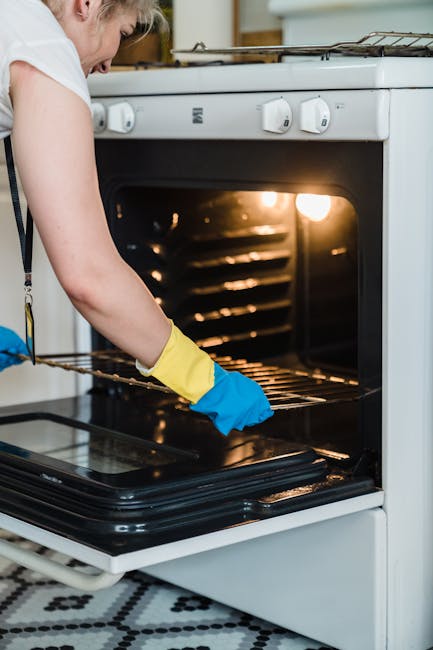
A couple in a converted flat near Finsbury Park had a double oven that they used heavily for family meals and weekend baking. Over time, the oven started smoking when preheated, the door glass turned cloudy, and the racks developed a sticky residue that made the whole kitchen feel grimy even after normal cleaning. They had tried supermarket sprays and a few frustrating evenings with rubber gloves and a scraper. Not fun. Not even close.
They checked local reviews and noticed the strongest comments were not about "magic results," but about reliability and detail. People mentioned punctual arrival, careful protection of the floor, and a finish that looked properly cleaned rather than just polished from a distance. That gave them confidence.
The cleaner arrived, assessed the oven, explained which marks would improve and which were likely permanent, and completed the work without leaving a mess behind. The biggest surprise? The kitchen smelled normal again. Not scented, not artificial. Just clean. That mattered to them more than anything else, because they cook most evenings and wanted the space to feel decent to be in.
That is a simple example, but it captures the real value of local reviews. They tell you what a service feels like to use, not just what it claims on a page.
Practical Checklist
Use this checklist before you book.
- Have I read a mix of recent reviews, not just the headline rating?
- Do the reviews mention punctuality, thoroughness, and communication?
- Do I know exactly what type of oven I have?
- Have I asked what is included in the clean?
- Do I understand that some stains may not fully disappear?
- Have I checked whether pricing and payment terms are clear?
- Is access to the kitchen simple and ready for the appointment?
- Do I need the oven cleaned as part of a wider home or tenancy clean?
- Have I looked at the company's safety, insurance, and policy pages?
- Have I allowed enough time before an inspection, event, or move-out date?
If you can tick most of those boxes, you are in a good place. And if not, no panic. It just means you have a bit more prep to do before booking.
One handy tip: if the oven is part of a broader cleaning project, pair the service with the right household support rather than treating it as a one-off panic fix. That approach usually saves stress later. It also makes your home feel properly reset, which is oddly satisfying on a Sunday evening.
Conclusion
Finding the right Finsbury Park N4 oven cleaning expert is less about chasing the flashiest pitch and more about reading the signals that actually matter. Strong local reviews, clear communication, realistic expectations, and a tidy process all point toward a service you can trust. In a neighbourhood as busy and varied as Finsbury Park, that reliability matters a lot.
Take your time, read carefully, and look for proof that the cleaner understands both the technical side of oven restoration and the everyday reality of London homes. If the reviews feel honest and the business feels organised, that is usually a good sign. Sometimes the best choice is the one that simply does the work properly and leaves you with one less thing to worry about. Which, let's face it, is what most of us want.
Get a free quote today and see how much you can save.


